DAFoam (Discrete Adjoint for OpenFOAM) is an open, versatile, and efficient platform for solving physics-based (PDE-constrained) engineering optimization and inverse problems. DAFoam’s salient features are:
-
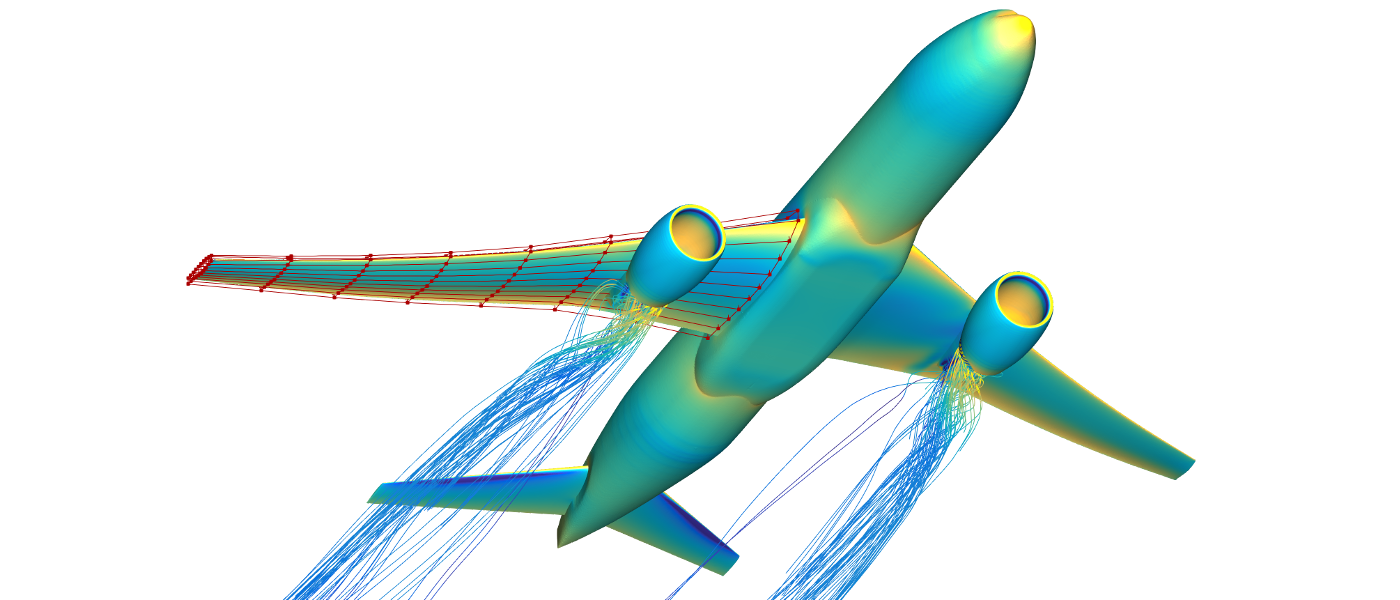
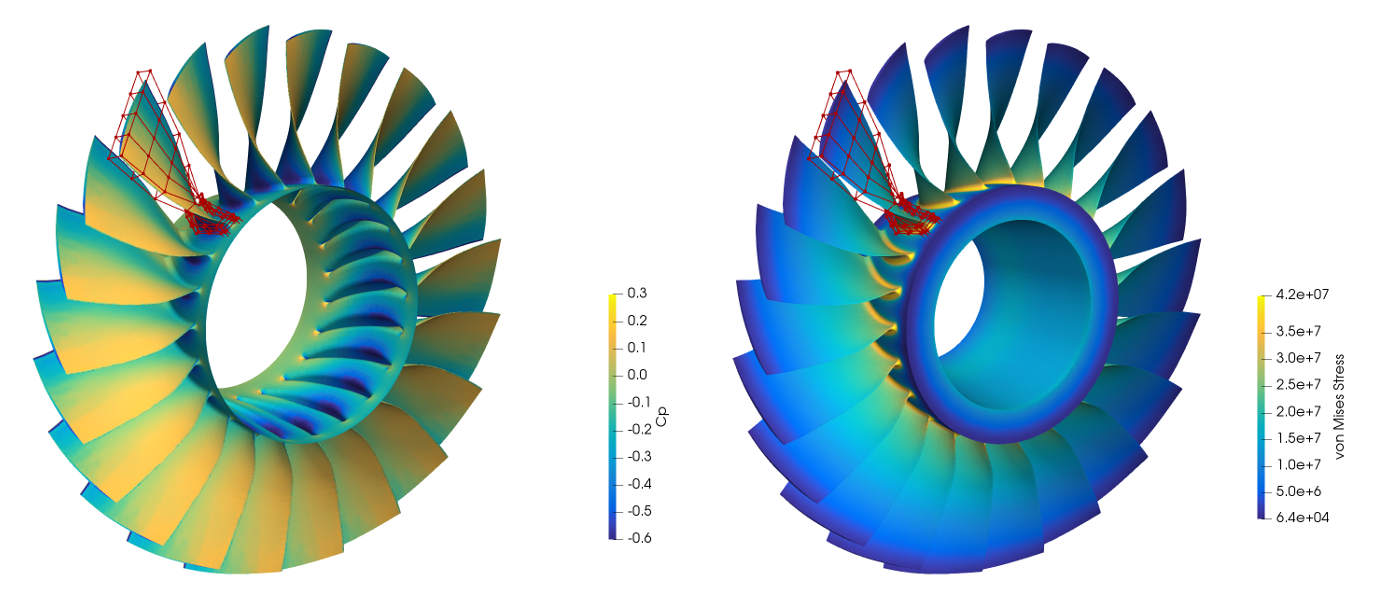
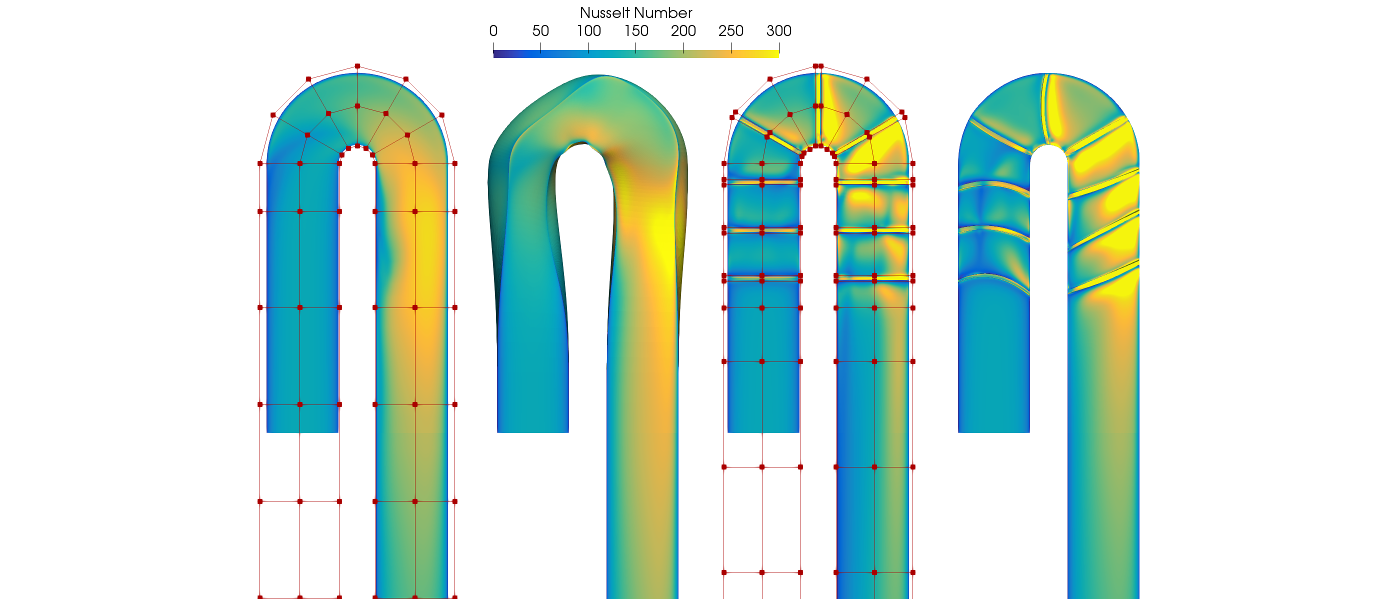
High-Fidelity Multidisciplinary Design Optimization. (1) Adjoint-based aerodynamic, aero-structural, and aero-thermal optimization using high-fidelity CFD and FEA solvers, (2) Shape, topology, and operating-condition optimization with hundreds of design variables and constraints, and (3) AI-agent enabled, fully conversational design workflows, including geometry generation, meshing, simulations, and post-processing.
-
Machine Learning and Data Assimilation. (1) RANS turbulence model defect corrections using field inversion machine learning (FIML), (2) Data assimilation to infer geometries, initial/boundary conditions, and model parameters/terms, and (3) Accurate surrogate modeling for uncertainty quantification and digital twins.
-
Open, Extensible, and Vibrant Ecosystem. (1) A modular architecture to add customized disciplines/solvers, design variables, objective functions, and constraints, (2) Long-term community support through the Discussions Forum and one-on-one meetings for new user and developer onboarding, and (3) Comprehensive documentation and tutorials, hands-on workshops, and user and developer guides.
-
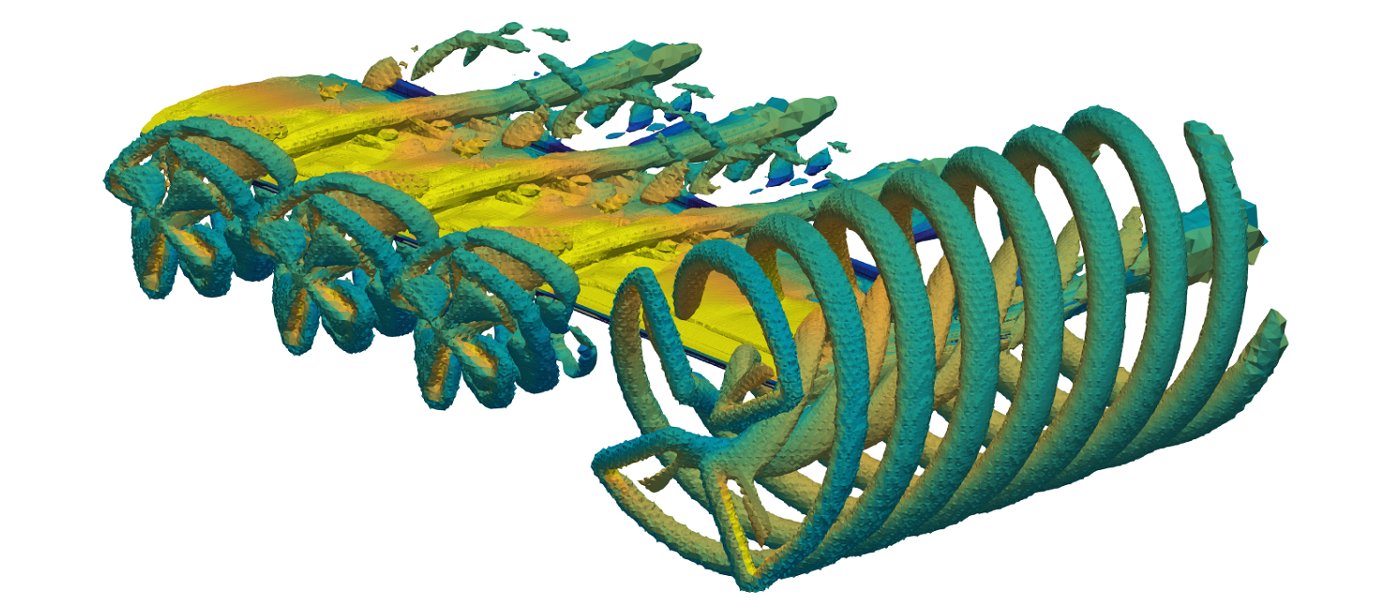
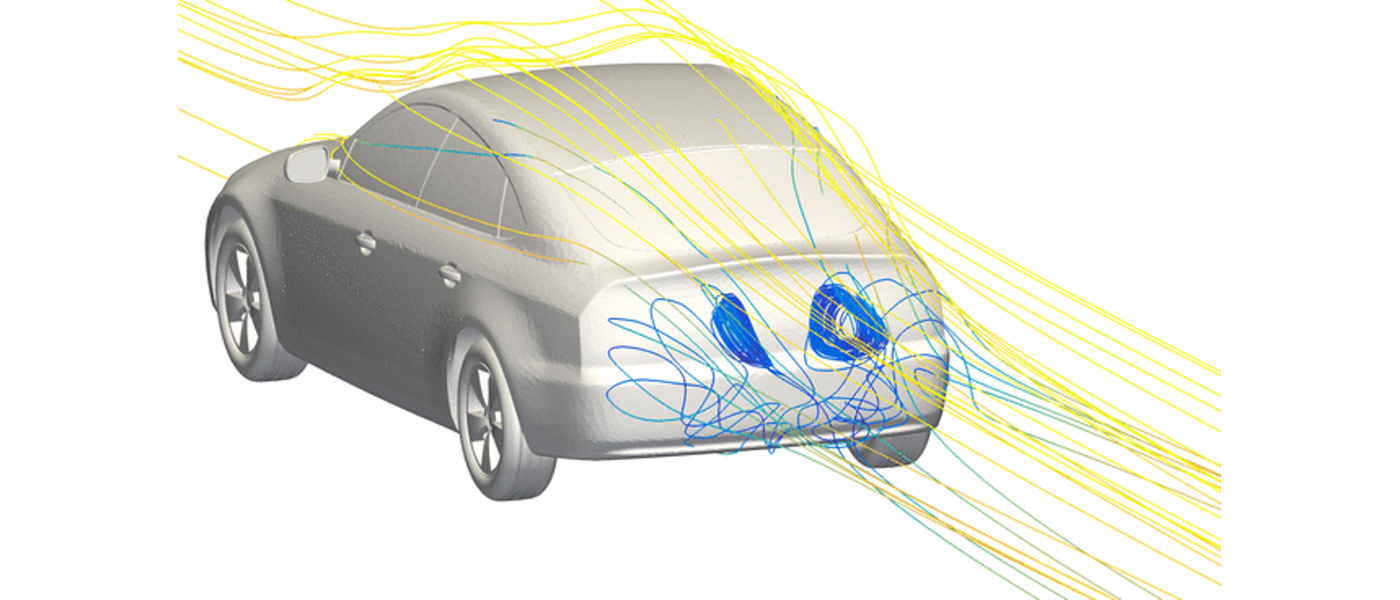
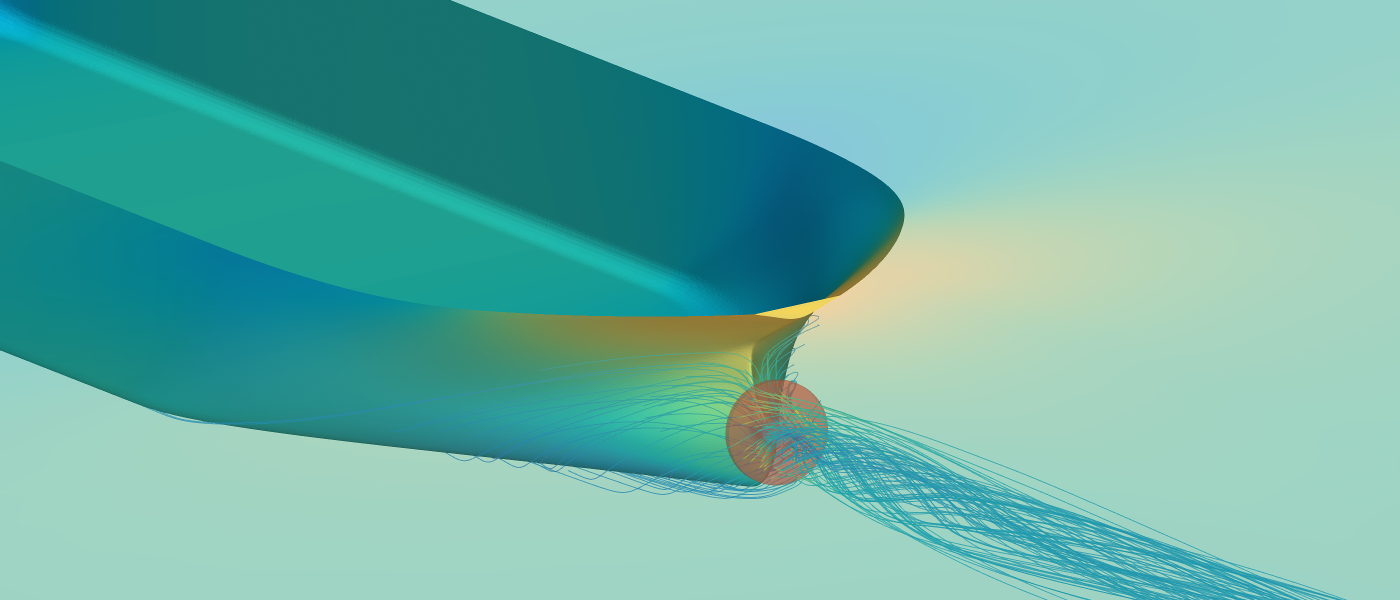
Demonstrated Breadth and Impact. (1) DAFoam has been used to optimize various systems and applications, including aircraft, propellers, wind turbines, hydro-turbines, automobiles, ships, heat exchangers, and heart surgery, (2) External researchers from 10+ countries use DAFoam in their research, resulting in about 20 DAFoam-publications per year, and (3) DAFoam has received funding support from federal agencies and industry partners, including NSF, NASA, and Ford
DAFoam source code is available on GitHub, and it interfaces with several open-source tools, including OpenFOAM, MACH-Aero, and OpenMDAO. Follow the remaining steps in “Get Started” to run your first DAFoam optimization!